Carpal Tunnel release surgery often comes with a daunting mix of relief and uncertainty. It’s easy to feel lost in an endless list of questions:
Do I really need the surgery? Will it work? How long untill i get back to my life?
The great news is, when done for the right reasons, Carpal Tunnel release surgery has an impressive success rate. In fact, recent estimates show significant improvements or complete resolution of symptoms in 90% of patients after surgery.
However, surgery is just the first step. A well-crafted rehabilitation program turns surgical success into tangible, functional recovery. We’ll look at everything you need to know about Carpal Tunnel surgery and what the rehabilitation process looks like. Let’s get started.
The Basics: Carpal Tunnel Syndrome(CTS) Overview
First things first. Let’s get the basics straight in order to lay the groundwork for understanding how the release procedure and rehabilitation process works.
What is Carpal Tunnel Syndrome?
CTS involves compression of the Median Nerve in a tiny passage located in your wrist, known as the Carpal tunnel. The condition affects around 1-5% of the general population. Females dominate the affected population, with estimates showing a 3:1 female-male ratio.

The Carpal Tunnel is made up of a tough ligament(Transverse Carpal Ligament) just under the skin, and a series of tiny wrist bones at the bottom. It serves as a neat passage for a number of structures extending from the forearm into the hand. These include the Median Nerve, tendons, and in some people, blood vessels.
A number of factors can increase pressure within the Carpal Tunnel, which in turn affect the Median Nerves’s structure and function. This manifests as a number of symptoms along its route/distribution in the hand.
Key symptoms include pain, numbness, tingling sensations, and weakness in the thumb, index and middle fingers.
What Causes Carpal Tunnel Syndrome?
CTS rarely occurs as a result of a single cause. It’s typically a combination of factors which increase direct mechanical pressure on the nerve and disrupt its basic physiology and function:

- Injury: sudden trauma or repetitive injuries in tendons or other structures around the median nerve in the tunnel can cause swelling, increasing pressure on the Median Nerve.
- Fluid accumulation/retention due to a number of conditions i.e Diabetes, heart disease, pregnancy, Hypothyroidism etc.
- Inflammation: Wrist joint conditions like Arthritis can cause inflammation and swelling around the wrist area, which increases pressure on the nerve.
- Structural abnormalities: Misalignment of wrist bones or any other defects around the wrist joint can affect the tunnel’s size, causing increased pressure on the nerve.
- Growths: Cysts or tumours within/around the Carpal Tunnel.
- Fractures, dislocations in one or more of the carpal bones.
Treatment Options
CTS management can take the surgical or conservative route depending on a variety of factors.
Non-surgical Treatment Options
This involves non-invasive strategies aimed at reducing symptoms and eliminating the underlying cause.
Medication
Anti-inflammatory medication takes the lead here. Good examples include Naproxen and Ibuprofen. If these don’t work, corticosteroid pills and injections may be used to combat inflammation. Additionally, Vitamin supplements may be prescribed to facilitate nerve health.
Physiotherapy
Physiotherapy uses a number of treatment approaches to reduce associated symptoms, address underlying factors, and improve function. Key interventions include manual techniques, exercise, and a range of passive modalities/approaches.
Carpal Tunnel Surgery Explained
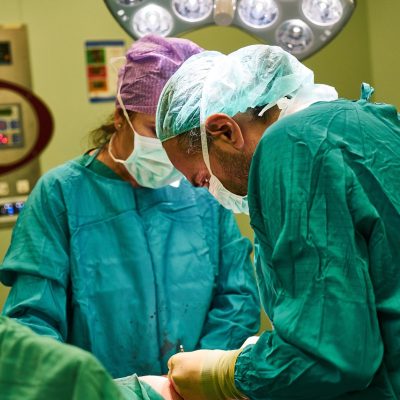
Surgery is typically considered only when conservative treatments haven’t provided relief. The main goal is simple: Relieve pressure on the nerve by cutting the main ligament that forms the roof of the carpal tunnel.
There are two main types of Carpal Tunnel release surgery.
- Open Carpal Tunnel Release: The surgeon makes a vertical cut across the wrist to expose and cut the main ligament(Transverse Carpal Ligament).

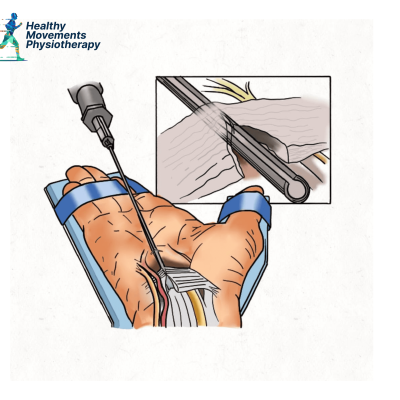
- Endoscopic Release: This aims at minimising damage, which translates to faster and more effective recovery time. The surgeon uses a specialised cutting instrument through a tiny incision. The instrument is guided by a tiny camera which provides visual feedback through a display system.
After Surgery
Carpal Tunnel Surgery Recovery Time: How long does it take
Beyond the surgery, you may need up to 6 weeks of recovery. The actual length of time depends on a variety of factors. Key feactors include:
- Underlying cause: CTS due to underlying chronic diseases may take longer than that purely caused by local factors.
- Severity of nerve compression.
- age.
- Type of surgery.
Beyond the surgery, you may need up to 6 weeks of recovery. The actual length of time depends on a variety of factors.
Quick Case Study
Here’s a great example:
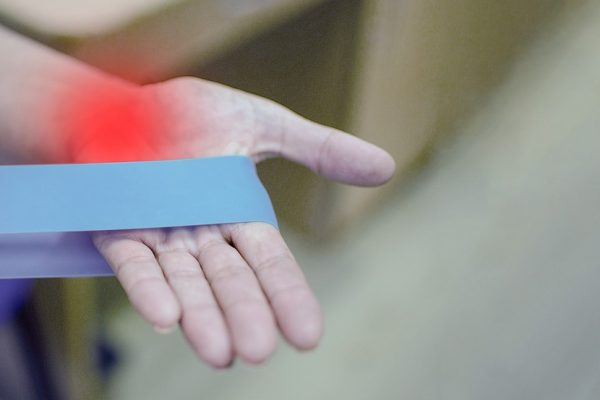
Lisa, a 23 year-old tennis player, walked into our clinic a few months ago. She complained of persistent pain and numbness in her right wrist, thumb and index finger. There was no apparent cause, just something which settled in gradually over a period of about 4 weeks. She thought it was nothing more than a reaction to her intense training sessions, so she just took some Paracetamol and tried to ignore it. The pain refused to quit and intensified until she was unable to take a few swings, that’s when she decided to visit the physio.
On assessment, it had all the classic signs of Carpal Tunnel Syndrome. A 3-week rehab program didn’t help either, and we referred her for surgical review. She went through an endoscopic release before coming back for a 6-week rehab program. We came up with a 3-stage program: Early(1-2 week), intermediate(2-6 weeks), advanced(+6 weeks).
However, things didn’t really go as planned. The first stage was delayed by 1.5 weeks due to delayed surgical wound healing. The intermediate stage was also delayed by another week. It took her a little over 8 weeks to get to the last stage. However, the rehab process was successful as she was able to get back to tennis as usual without any residual symptoms. Chances are the healing would have taken way longer without rehab, with a high chance of chronic complications.
What the rehab process looks like:
Week 1-2
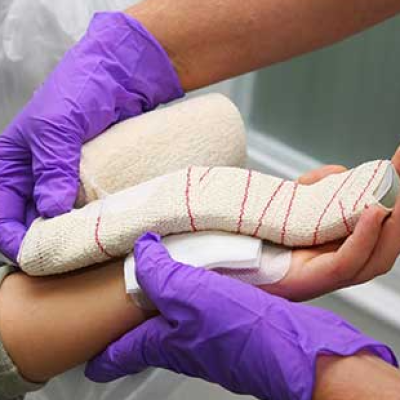
The aim is to optimize early healing processes by protecting the surgical site and preventing associated complications. Key interventions include:
- Splinting: A wrist splint is typically used to keep the joint in a neutral, functional position that allows minimal tension on the surgical site and prevent joint contractures.
- Early Movement: Involves a variety of exercises to preserve finger, forearm, and arm movements.
- Suture management: Frequent inspection of wound and suture status, followed by removal once the wound is at a reasonable healing stage.
Week 2-6
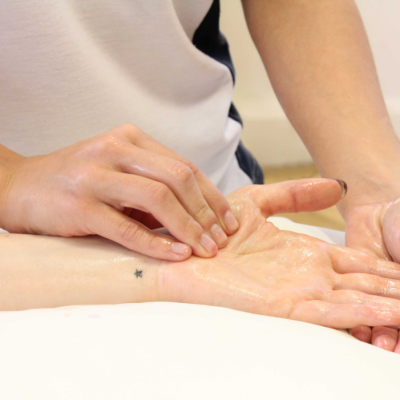
This stage focuses on promoting proper scarring and optimising wrist and hand function. Key interventions include:
- Massage: Promotes local blood flow and proper scar tissue formation. Hard scars in the wrong places can interfere with tissue dynamics in the carpal tunnel.
- Strength and range of motion exercises: Promote optimal range of motion in the wrist joint, grip strength, and overall movement and function.
- Gradual reintegration to daily activities.
+6 weeks

This stage focuses on optimising strength and full reintegration to daily activities. It involves:
- Advanced strength training: Grip, wrist flexors, and extensors strength training.
- Functional drills/activities, full return to daily activities.
Effective Exercises to Promote Median Nerve and Wrist Health
Let’s start with a quick word of caution:
Rehab after Carpal Tunnel release surgery requires professional help. Don’t use these exercises to self manage your recovery in the early and intermediate stages. The idea behind these moves is to help someone in the advanced stage build on what they already have, and has been cleared by the physiotherapist to explore other options.
Sounds like you need help? Talk to a qualified physiotherapist and get started here.
Wrist Flexors stretch
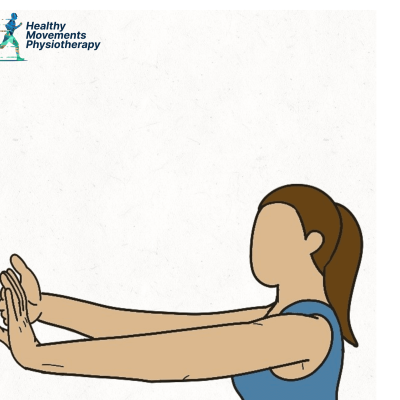
Aim: Improve/maintain wrist joint extension, stretch flexors of the wrist joint.
How to do it
- Stand tall, or sit on a bench or chair.
- Raise the affected arm to shoulder level.
- Bend your hand upwards, keep your fingers extended, pointing straight upwards.
- Using the unaffected hand, apply gentle backward pressure on the affected hand. You should feel a gentle stretch along your wrist and forearm at this point.
- Hold for 15-30 seconds, then release.
- Repeat 2-3 times.
Safety Note
- Reduce the pressure/tension if you experience increasing pain or numbness in your wrist, thumb, and index fingers.
Extensors Stretch
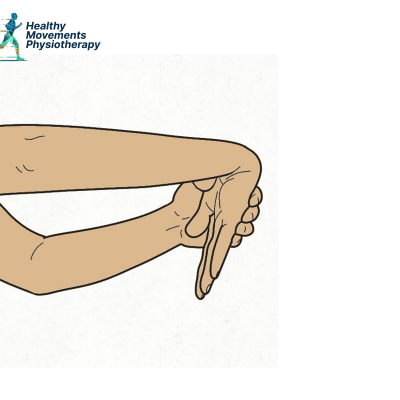
Aim: Improve/preserve wrist flexion, reduce/prevent tightness in wrist extensor muscles.
How to do it
- Stand tall, or sit on a bench or chair.
- Raise the affected arm to shoulder level.
- Bend your hand downwards, fingers should be pointing to the floor.
- Use the unaffected hand to add backward pressure to the back of the affected hand.
- Hold for 15-30 seconds.
- Repeat 2-3 times.
Safety note:
- Stop the exercise, or try to reduce the tension if symptoms radiate into your hand.
Wrist curls
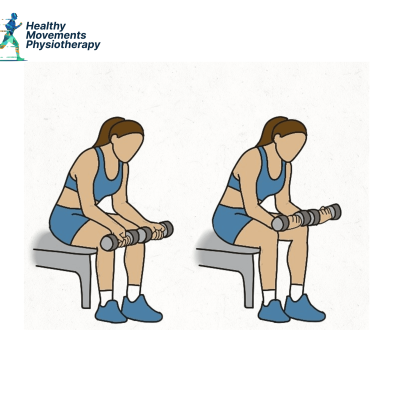
Aim: Preserve/build strength in your wrist flexors.
How to do it
Starting Position
- Hold a dumbbell in each hand and sit on a bench or chair.
- Lean forward and prop your elbows on the thighs, palms should be facing upwards while hold the dumbbells.
- Make sure your hands are hanging over the edge of your knees.
The Movement
- Curl your wrist upwards.
- Hold for 1-2 seconds, return to the starting position.
- Repeat the movement, 10-15 times, 3-4 sets.
Safety Note
- Start with a light weight, assess your wrist’s response. Cease the exercise if you experience severe symptoms.
Reverse Wrist Curls
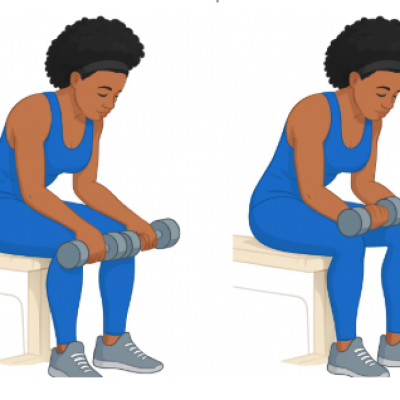
Aim: Improve/preserve wrist extensor muscle strength.
How to do it
Starting Position
- Same as the wrist curl. Except your palms should be turned downwards.
The Movement
- Curl your wrist upwards, lifting the dumbbells.
- Hold for 1-2 seconds, return to the starting position.
Safety Note:
Again, start with a light weight, master proper exercise form, and don’t force the exercise if severe symptoms reappear.
Ball Squeeze
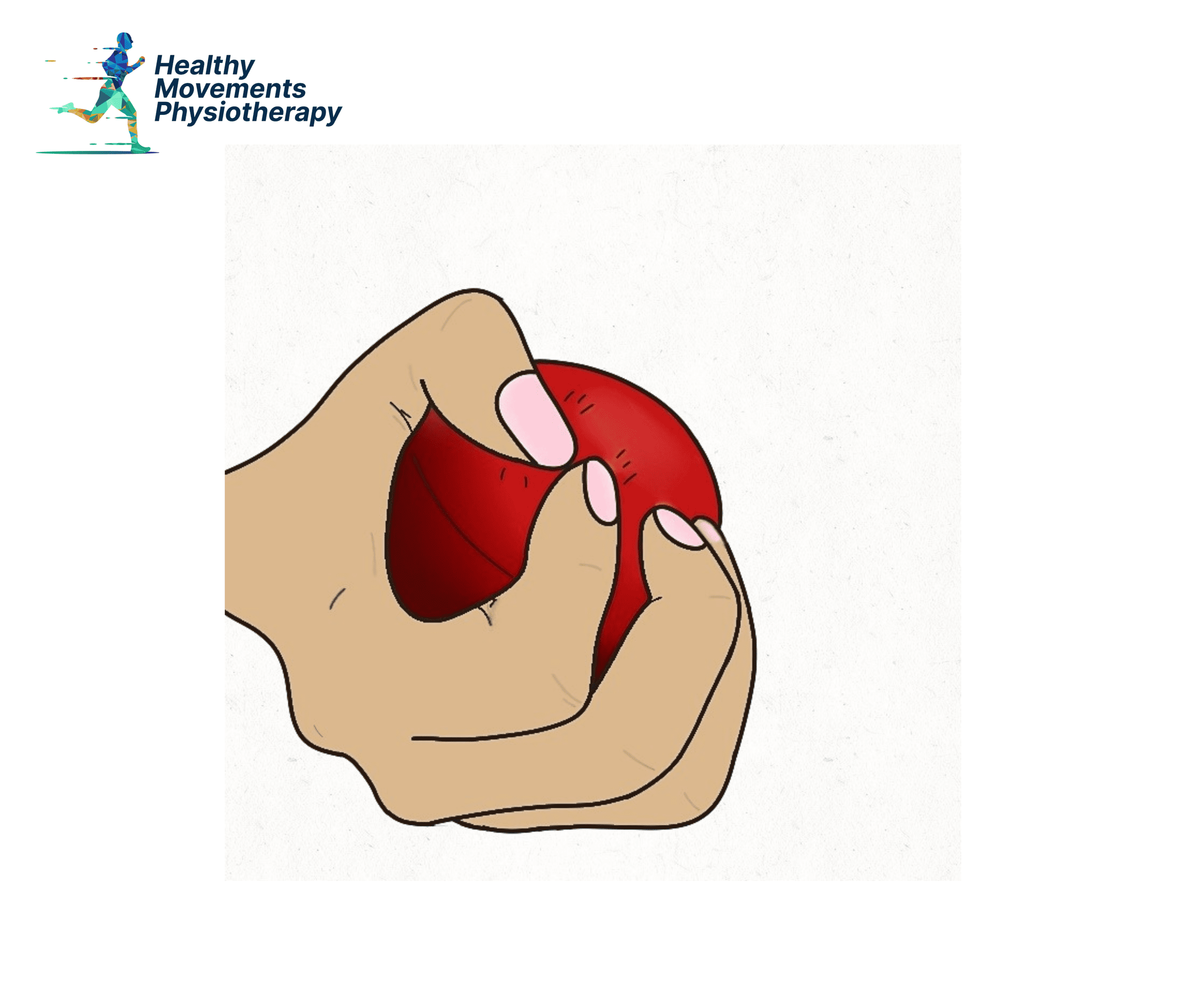
Aim: Preserve/improve general grip strength.
How to do it
- Find a soft ball i.e tennis ball.
- Hold it in your palm.
- Squeeze as hard as you can.
- Hold for 10-20 seconds.
- Repeat 5-10 times.
Get in Touch: We're Just Around the Corner..in Western Sydney Area
Recovering from carpal tunnel release surgery can be overwhelming. However, you don’t have to navigate the tricky landscape all alone. We are here to help you get through it in a safe and effective way through a personalised and evidence-based physiotherapy program. Our physiotherapists in Western Sydney bring years of experience and expertise in post-opertaive hand and wrist rehabilitation. Give us a call today, or simply hit the “book an appointment” button up top to get started. We’re looking to get in touch with you soon.
Frequently Asked Questions
The expected time frame is 6 weeks. However, this may take a longer or shorter amount of time depending on a variety of personal and environmental factors.
Physiotherapy helps with optimising the healing process, reducing pain and other symptoms, promoting movement, and enhancing overall function. This is possible through a comprehensive post-op rehab program which incorporates a number of treatment techniques i.e manual therapy, exercise, and other passive treatment modalities/approaches.
Like most surgical procedures, there’s always a risk of complications. However, Carpal tunnel release is associated with an extremely high success rate, about 90% to be more specific.